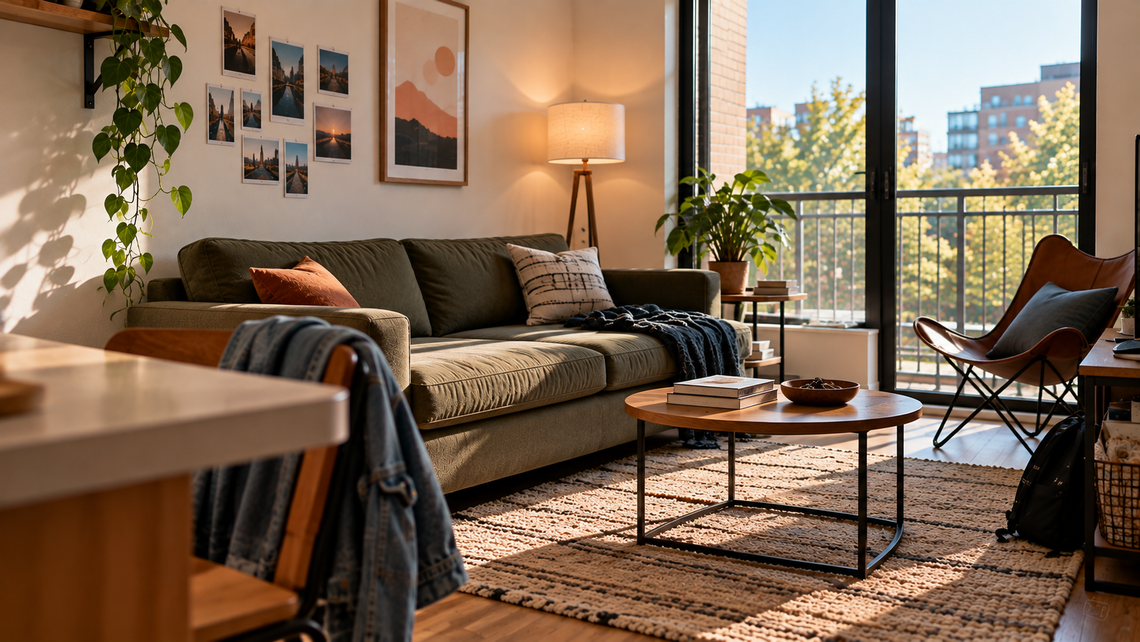
Your Apartment Isn't Runway Ready: 10 Hacks to Make Your Place Look Even Better
Your apartment isn't runway ready yet, but it can be. Ten renter-friendly hacks to make a budget place look put together, without risking your deposit.
Noisy neighbors and bad sleep can wear you down fast. Here's how to deal with noise off-campus, protect your sleep, and know when it's time to consider a move.

October 12, 2026
Noise is one of the most common reasons students end up unhappy in an apartment, and it matters more than it sounds like it should (no pun intended). It eats into sleep, and sleep affects almost everything else. The good news is that most noise problems have a practical fix, from a direct conversation to a written complaint to your landlord. And if nothing works, you have options beyond just putting up with it. Here's how to sort it out.
A loud neighbor on a Tuesday night isn't just annoying, it can mean a rough day tomorrow: harder to focus in class, shorter patience, less energy for everything else. When it keeps happening, the effect builds. It's also easy to feel like you're overreacting, especially if roommates or friends seem fine with it. You're not. Wanting a place where you can reliably sleep is a reasonable expectation, not a luxury.
Knowing the source matters, because each one calls for a different fix.
If a direct conversation doesn't work, or the noise comes from a neighbor you don't know, it's time to bring in your landlord or property manager. Put the complaint in writing (email or the property's portal, not just a conversation) and include the dates and details from your notes. Follow up in writing if nothing changes. Property managers can often enforce quiet hours or address a repeat issue in ways you can't on your own.
If you're picking where to live, noise is worth checking before you sign, not after. A few things that help: visit at night and on a weekend, listen for what you can hear from neighboring units, ask about wall and floor construction, and ask current residents what it's like.
Sometimes you try everything and the situation doesn't change, or the noise is part of a bigger problem with the apartment or the people in it. If you've talked to the person, gone to your landlord in writing, and it's still affecting your sleep and how you feel, it's reasonable to start thinking about a change. A lease takeover can let you move out cleanly instead of finishing a lease that isn't working for you.
If poor sleep has been dragging on and you're noticing it in your mood, energy, or ability to function day-to-day, that's worth taking seriously on its own, not just as a housing issue. Your campus counseling center or student health services are good places to start, and they can help whether or not you decide to move.
Q - Is it normal to struggle with noise after moving off campus?
A - Yes. Apartments often have thinner walls, more varied schedules, and less built-in quiet than a dorm with set quiet hours, so many students are surprised by how much noise they notice at first.
Q - Should I talk to a noisy neighbor before complaining to my landlord?
A - Usually, yes. A calm, specific request often solves it faster and keeps things friendly. If that doesn't work or you don't feel comfortable, go to your landlord first and put your concerns in writing.
Q - What should I include when I complain to my landlord about noise?
A - When you put it in writing, include dates, times, and what happened, plus any quiet hours listed in your lease. Follow up if the problem continues.
Q - How can I protect my sleep while I'm waiting for the problem to get fixed?
A - Earplugs, a white noise machine or fan, and heavier curtains or a rug can help reduce the impact in the short term.
Q - What if the noise never gets better?
A - It's reasonable to consider a change. If you have several months left on your lease, a lease takeover can let you exit the lease without owing rent for months you won't be living there.
Off-campus housing transitions can be unexpected and confusing. Searching for answers and not sure where to start? That's why we're here. Email the Team at hello@myleasetakeover.com, or send us a message on Instagram or Facebook. We’re glad to help.
Written by the Team at myleasetakeover.com | Join the Takeover.
We started myleasetakeover.com because we've been there: a housing plan that changed overnight with no clear next step. We're here to help students and parents navigate housing transitions, so you don't have to figure it out alone.
 Janelle Rawlston